In the Research Triangle, NC, region, November brings more than just cooler days—it offers a rich selection of locally grown ingredients ideal for a meaningful Thanksgiving feast. For those preparing a holiday meal that reflects both seasonal rhythms and local agricultural traditions, this area presents excellent opportunities to source fresh, region-grown produce.
Choosing ingredients that come from nearby farms adds flavor, supports the community, and connects the holiday table to the land around Raleigh, Durham, and Chapel Hill. When the shopping list prioritizes what’s available locally, the meal becomes more than a tradition—it becomes a celebration of place.
This article explores what produce is in season in November, highlights the community markets where those ingredients can be found, offers recipe ideas using local fare, and explains why supporting area farmers matters for the holiday and beyond.
What’s Fresh in November
As harvest winds down in the region, seasonal offerings shift toward heartier vegetables and fruits suited to cooler weather. According to North Carolina’s produce availability charts, November features apples, pears, winter squash varieties, sweet potatoes, collards, kale, turnips, and beets.
These crops provide rich textures and flavors—roasted winter squash with caramelized edges, braised collards, beets with a deep earthy sweetness—perfect for a Thanksgiving-inspired table.
The seasonal shift also means ingredients that sustained communities through colder months are now available. Root vegetables and hardy greens offer a backbone for the holiday menu: think sweet potatoes layered with local honey, or kale sautéed with garlic and local sausage. Planning around what’s fresh helps ensure that the produce is at peak flavor and that one supports farms that remain active even as the traditional growing season ends.
Finding Community Markets in the Triangle
The Research Triangle offers numerous farmers’ markets where one can find these local, fresh ingredients. For instance, the Durham Farmers’ Market operates Saturdays from 8 a.m. to noon in the primary season and transitions into a winter schedule starting in November.
Similarly, the Cary Downtown Farmers Market moves to a winter schedule, operating from 9 a.m. to noon from November through March. These markets follow a model in which vendors produce what they sell within a specified radius—ensuring accurate local sourcing.
Visiting these markets not only gives access to fresh ingredients but also provides an opportunity to talk directly with the growers. Questions about how produce was grown, whether any specialty heirlooms are available, and what farms still have stock heading into November will help shape the holiday menu with confidence.
Recipes Featuring Local Ingredients
With locally grown produce on hand, a Thanksgiving meal can reflect both tradition and regional flavor. One might roast a mix of winter squash—such as butternut and acorn—alongside sweet potatoes and turnips, all sourced from nearby fields. A leafy-green side could feature collards or kale sautéed with garlic and local turkey bacon or sautéed mushrooms. For a dessert, apples or pears drizzled with local honey or caramel, paired with a simple oat crumble, make for a harvest-aged finish.
For the centerpiece, complement the turkey with a relish or side of roasted root vegetables and greens that shine with minimal processing. Another idea is to serve a raw salad of shredded Brussels sprouts or kale, tossed with roasted pecans (or local nuts if available) and vinaigrette made with local apple cider. These dishes allow local ingredients to carry the meal while reinforcing the connection between region-grown produce and holiday dining.
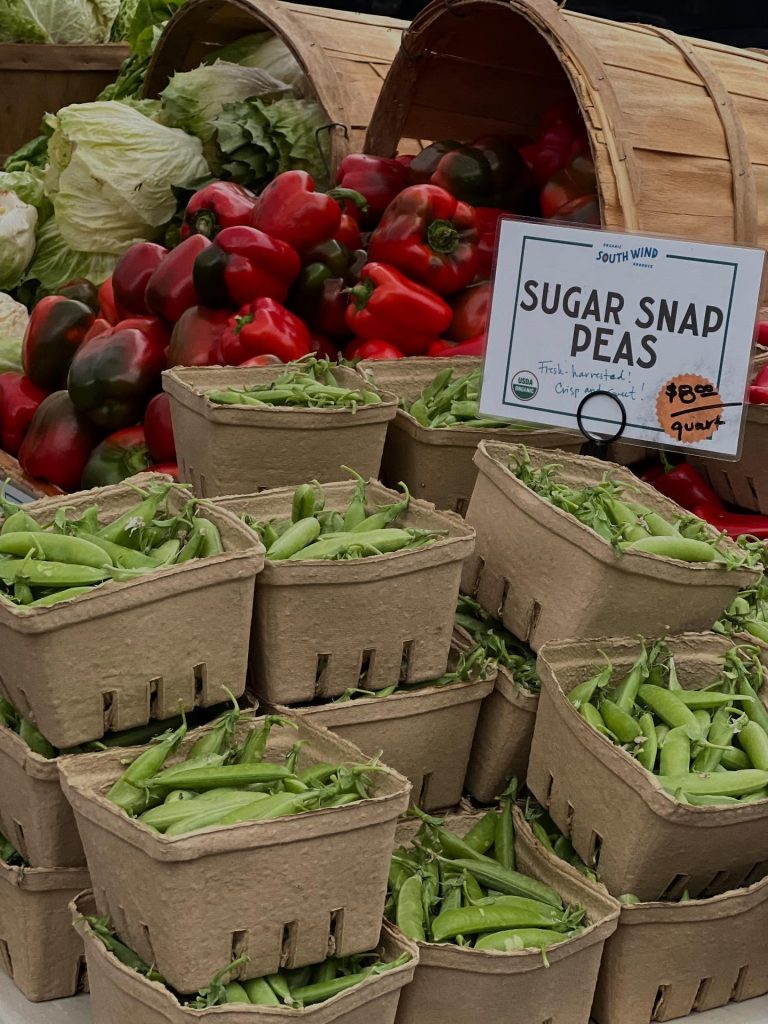
Supporting Local Farmers for Thanksgiving
Buying directly from local farms and markets has benefits beyond recipe quality. When shoppers in the Research Triangle choose local produce for their Thanksgiving ingredients, they support farm businesses that may otherwise face thinning margins as the season draws to a close. Winter markets are becoming more common in North Carolina, as growers adapt production methods to extend their selling season.
Moreover, local sourcing helps reduce the distance food travels, improving freshness and decreasing environmental footprint. It also strengthens community resilience: farmers who earn from holiday sales are better able to maintain operations, invest in soil health, diversify their crops, and prepare for seasons ahead. For consumers, buying locally raises awareness of how food is grown, how seasons shift, and how their holiday choices can reflect regional food systems.
As the Thanksgiving table is set in The Research Triangle, the ingredients brought to the feast can carry more than flavor—they can express a connection to the land, the season, and the community. In November, when hardy greens, root vegetables, winter squash, apples, and pears are still in supply, choosing those locally grown items makes the menu both richer and more meaningful.
By visiting farmers’ markets, engaging with growers, selecting produce at its seasonal peak, and crafting recipes around what’s fresh, hosts and guests alike can celebrate the holiday with intention. Supporting local farms for Thanksgiving not only elevates the meal but also reinforces the local food economy and strengthens ties between the community and agriculture.
The next time the turkey is carved and the sides passed, let the ingredients tell a story: of close-by farms, attentive growers, seasonal cycles, and a meal rooted in the Triangle’s harvest.
Sources: Durham Farmers’ Market Facebook Page, carolinafarmstewards.org, caryfarmersmarket.com, durhamfarmersmarket.com, ncagr.gov
Header Image Source: Durham Farmers’ Market Facebook Page
